Tasmania pokies laws and gaming machine rules
 Best casinos available in AustraliaUpdated 7 November 2026
WinCrown · Welcome bonus200 free spins on selected slots
Reviews (9,827)
4.9Rating
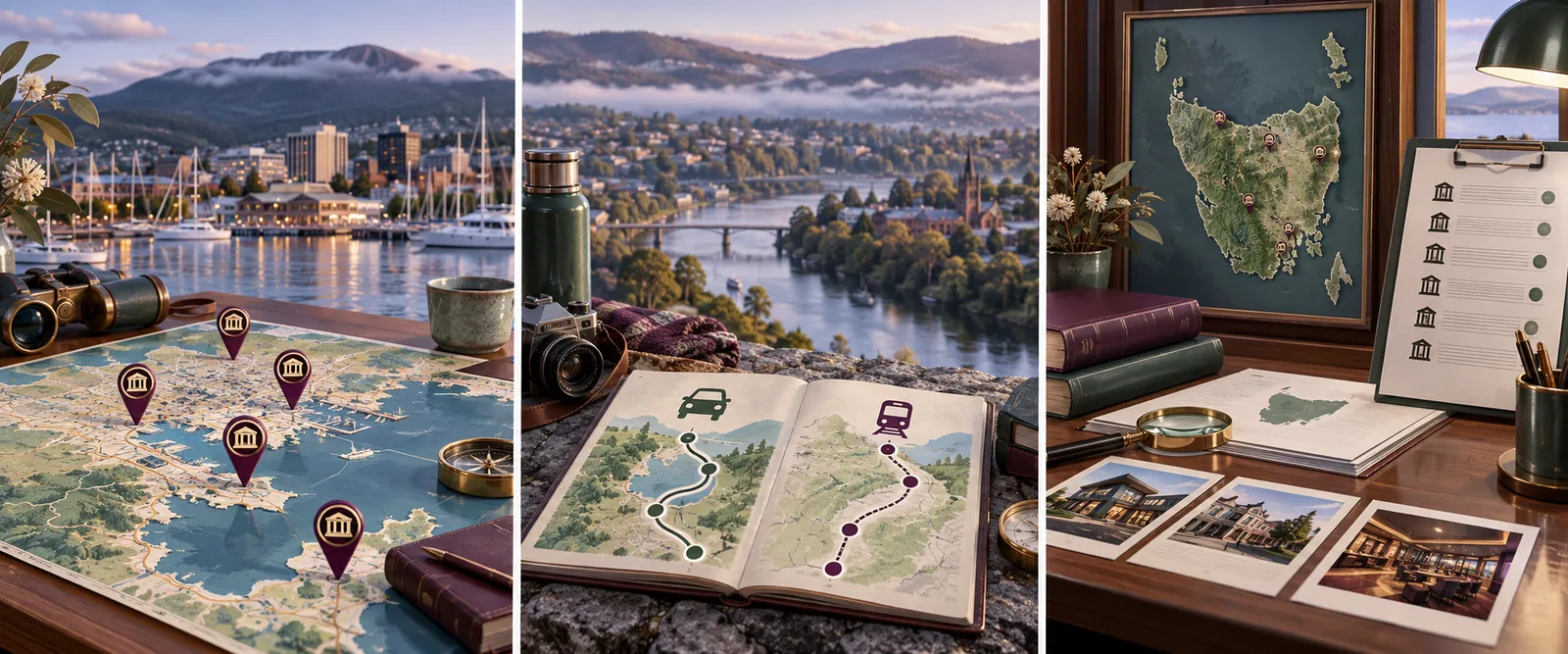
Pokies are legal in Tasmania only within the state licensing and control framework. This guide separates the Act, licence limits, regulatory guidance and harm-minimisation code—and links each material claim to the official source.
Are pokies legal in Tasmania?
Yes, when gaming is conducted under an applicable licence and in accordance with the Gaming Control Act 1993 and other binding requirements. The Act covers casinos, gaming machines, keno and several other gambling forms. A machine or venue is not lawful merely because it is publicly advertised or appears in a third-party directory.
Use the official venue table to confirm the recorded gambling category, then verify operational details separately. EGM, Keno and TAB are different categories and must not be treated as interchangeable.
Who regulates gaming in Tasmania?
The Tasmanian Liquor and Gaming Commission has statutory responsibilities for gambling regulation. The Department of Treasury and Finance publishes legislation links, regulatory requirements, venue data and industry statistics. For any compliance or licensing decision, the current official instrument takes priority over this explanation.
What are the current gaming-machine caps?
Section 101B of the current Act sets statewide limits. Section 101C sets separate maximums for individual clubs and hotels. The industry-data page also reports the current authorised numbers, which can sit below those legal caps.
| Category | Current authorised | Cap | Authority |
|---|---|---|---|
| Casinos | 977 | 1,180 | Gaming Control Act, s 101B; Treasury data |
| Hotels and clubs | 2,331 | 2,350 | Gaming Control Act, s 101B; Treasury data |
| Individual hotel | Varies by licence | 30 | Gaming Control Act, s 101C |
| Individual club | Varies by licence | 40 | Gaming Control Act, s 101C |
The reported total is 3,308 authorised machines. That is not a live count of machines switched on, available to play or operating at a particular moment.
What a venue record proves—and what it does not
Appearance in the official venue table supports the recorded venue name, address, licence holder, LGA and listed gambling categories at the source date. It does not by itself establish current opening hours, current machine availability, parking, accessibility, transport, phone details or the precise licence number. Our candidate register therefore labels unresolved records instead of publishing thin venue profiles.
Age limits and responsible-gambling rules
People under 18 must not gamble. The Commission’s Responsible Gambling Code of Practice is made under section 112L of the Act and applies harm-minimisation requirements across prescribed licence holders. The official code page describes its aims as preventing and minimising harm, supporting informed choices and helping patrons exercise control.
If gambling is affecting you or someone close to you, see confidential support and self-exclusion options. This information is placed independently of venue discovery.
Tasmania gaming rules: 2026 status tracker
This tracker separates binding instruments from announcements. A government media release can describe intended or newly introduced measures, but it is not a substitute for the current Act, rules or code.
| Item | Status shown here | What the source establishes |
|---|---|---|
| Gaming Control Act 1993 | Current instrument | Primary statutory framework for licensing and regulation. |
| TLGC Rules | Published as amended 1 Aug 2026 | Operational rules covering gaming areas, entry, cash, disputes and staff obligations. |
| Responsible Gambling Code of Practice | Official code | Harm-minimisation requirements made under section 112L. |
| Seven-hour closure, TITO limits and immediate exclusion technology | Implementation check required | A 23 January 2026 government release describes these measures; confirm the operative instrument and commencement before relying on a venue-level claim. |
Open the current TLGC rules index or review the 23 January 2026 government announcement.
Official sources, method and update history
We compare the consolidated Act with the current Treasury data page and code index. Figures are transcribed only when the category and date can be identified. See our verification method or report a material error.
Material update history
- 4 October 2026: added current authorised numbers, statutory caps, source matrix and explicit distinction between venue registration and live operating details.